In focus / Editor's selection

New research suggests customers aren't rejecting artificial intelligence. They're rejecting automated systems that don't solve problems, and won't let them reach someone who can.
New research suggests customers aren't rejecting artificial intelligence. They're rejecting automated systems that don't solve problems, and won't let them reach someone who can.
Reported Feature
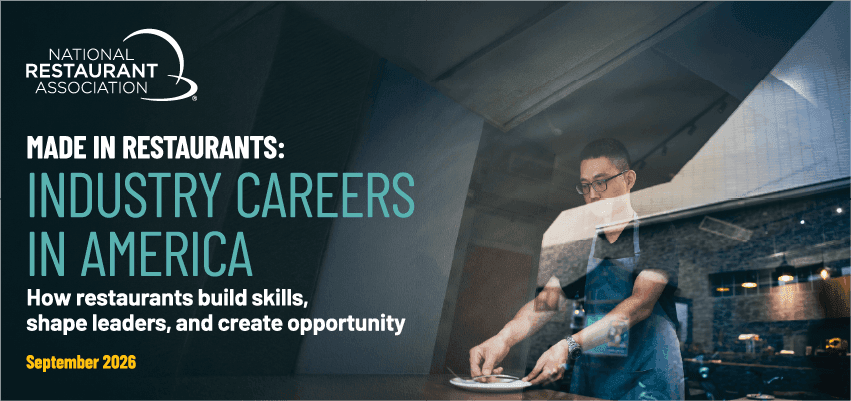
New restaurant-industry research reveals a striking perception gap: the people doing the work often see far more career value in it than the people who have never done it.

Culture
The best modern publishing may have stopped asking writers to choose between being interesting and being useful.

Culture
The big win is seductive. The smaller, repeatable wins are what keep you moving long enough to reach it.

Technology
A Nationwide survey captures the workplace problem from the bottom up: unofficial AI use is becoming ordinary faster than many companies are deciding what ordinary use is supposed to look like.
Reported Feature
Workers are rapidly teaching themselves how to use AI while employer-provided training barely moves. That is not just a skills gap. It is the emergence of shadow professional development: a workplace expectation whose cost is quietly being pushed onto the worker.

Reported Feature
A new Modern Health survey says employees are taking ordinary work stress, difficult colleagues and the simple need for conversation into therapy. Put that beside Rutgers’ work on social prescribing and a stranger question appears: how many ordinary human needs are now being routed through formal care systems?
Reported Feature
A new CWI Works/Ipsos survey suggests that age bias does not always arrive as an explicit rule. Sometimes it is hiding in perfectly ordinary workplace language.
Reported Feature
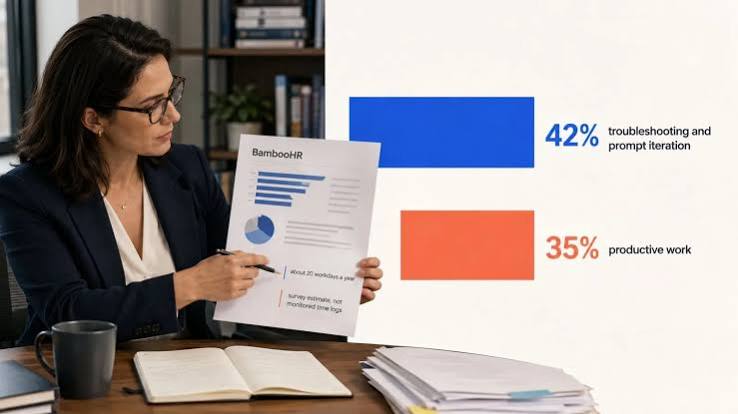
BambooHR’s new survey annualizes current daily AI troubleshooting into roughly 20 workdays. That is a useful measure of scale, but it is not a measured annual loss, a historical trend, or a prediction of what workers will lose in future years.
Culture
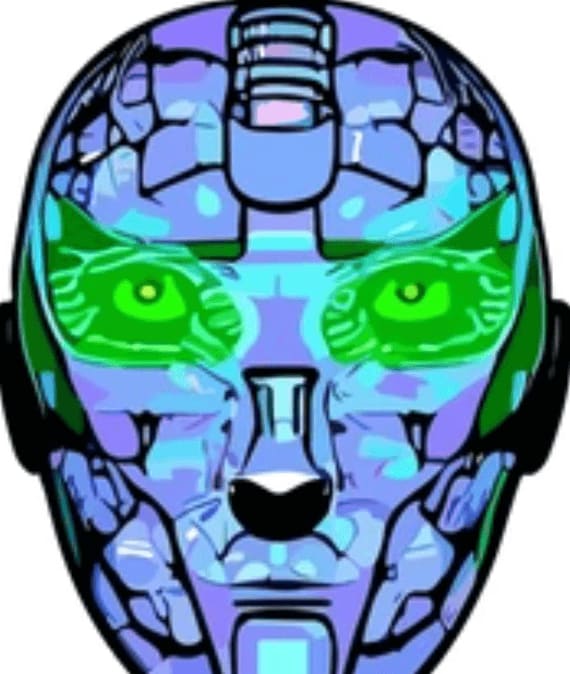
As generative systems make polished images, music and design cheaper, artists are rediscovering noise, grain, distortion, pixelation and physical error. The flaw is no longer something to remove. Increasingly, it is evidence that somebody was there.
Technology
Leapora AI’s Taskeen is built around a strange new workplace problem: when polished output becomes easy to produce, a checkmark saying “done” may be the least interesting thing a manager needs to know.
Reported Feature
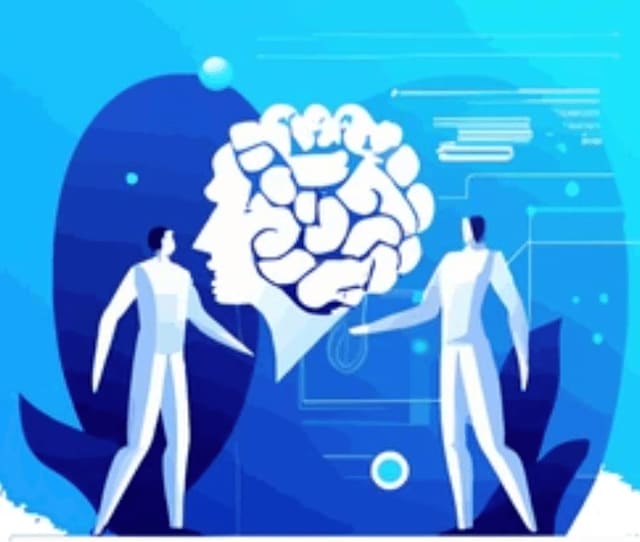
A survey of 2,000 U.S. workers found employees are nearly four times more likely to talk through work stress with an AI chatbot than to use employer-provided mental-health support. The interesting question is not whether AI has become a therapist. It is why the machine can feel easier to talk to than the organization causing the stress.
Culture
Summation wants an always-on AI analyst to monitor the business, investigate changes, run recurring reviews and hand people the answer. It solves a real problem. It also raises a very 2026 question: how many layers of AI do we need before somebody has to supervise the supervisors?

Reported Feature
A new Express Employment Professionals-Harris Poll survey finds that most job seekers consider adapting to workplace culture important, even as many say the expectation is unfair. The harder question is where ordinary professionalism ends and sustained identity performance begins.
Reported Feature
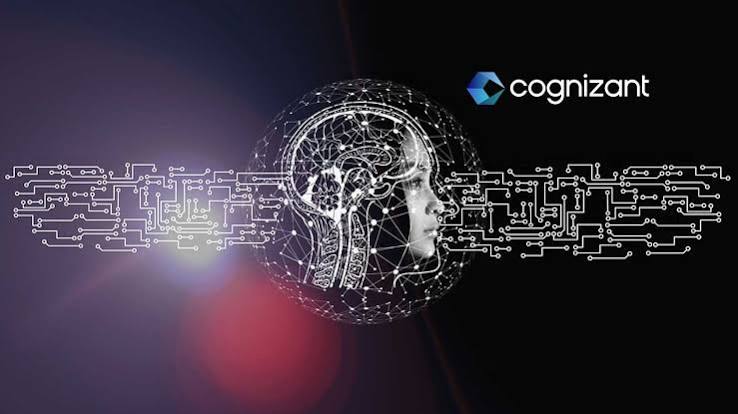
From Teaneck, Cognizant is hiring graduates and inventing job titles for an AI-enabled workplace, Frontier Certified Engineers and Frontier Business Operators, before the labor market has settled language for what comes next.

Reported Feature
A new Eagle Hill Consulting survey finds AI embedded across core business functions while work design, management practices and workplace culture trail behind. The next phase of AI transformation may have less to do with buying software than with rebuilding the organization around what the software can now do.