In focus / Editor's selection

A 22-year study suggests that even modest acts of service are linked with slower cognitive decline among older adults with elevated genetic risk for Alzheimer’s disease.

A 22-year study suggests that even modest acts of service are linked with slower cognitive decline among older adults with elevated genetic risk for Alzheimer’s disease.

Reported Feature
Hilton's 2027 travel research says more than half of travelers feel pressure to have the perfect trip. Maybe the most revealing trend is that people are starting to reject the idea that leisure needs to be optimized at all.

Reported Feature
A new Ohio State study finds that comparing today’s reflection with an earlier version of ourselves can be tied to shame—or to greater appreciation for how far we’ve come.

Reported Feature
A study of nearly 22,000 Swedish twins suggests the relationship between screens and mental health is more complicated than hours alone can explain.

Reported Feature
A 15-year study suggests that the warmth children experience at age 3 may be linked to how strongly their brains respond to good news years later.

Reported Feature
An international survey finds that 80% of women have said they were fine when they weren’t. The familiar phrase raises a larger question about emotional honesty, social expectations and how often we mistake reassurance for an answer.

Reported Feature
New research from Camp Fire suggests that supporting young people’s emotional well-being can begin with something surprisingly simple: asking what they need before deciding how to help.

Reported Feature
Nearly four in ten Americans say holding grudges can be healthy. The more interesting question is whether they mean resentment, accountability or simply refusing to be hurt twice.

Reported Feature
New workforce research turns a familiar generational stereotype upside down, finding that the youngest employees have the strongest intentions to stay while experienced workers are increasingly questioning their future at work.
Reported Feature
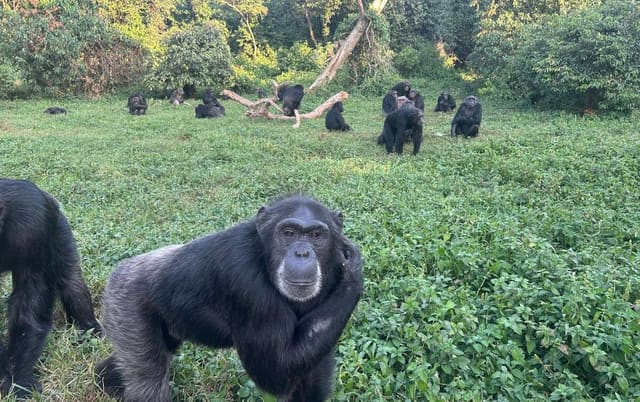
New research from UC Berkeley suggests that chimpanzees don’t just form friendships. They may also expect those relationships to come with special treatment, even when pineapple is on the line.

Event Hyatt Regency New Brunswick · New Brunswick, New Jersey
At DerpyCon 2026 in New Brunswick, a returning guest who combines clinical social work, stand-up comedy and anime fandom offers a different perspective on the emotional lives of fictional characters, and the people who connect with them.
Reported Feature
Sober October was built around a simple rule: don't drink for a month. In 2026, nearly half the people considering it are already rewriting the rule, and that may be the more interesting story.
Reported Feature
A new national survey suggests the possibility of being recorded and unexpectedly turned into social-media content is changing how Americans behave in public. The most revealing part may be what people are starting to hold back.

Reported Feature
Smart vapes that reward continued use with points, refills and cryptocurrency turn a familiar digital engagement strategy into something considerably stranger.

Reported Feature
A Rutgers Health and Harvard experiment suggests that influence can work most quietly when alcohol is simply part of the scenery, not the product being pitched.

Reported Feature
New qualitative research from Florida State University suggests GLP-1 users are often managing something beyond medication: the judgments of people closest to them.
Reported Feature
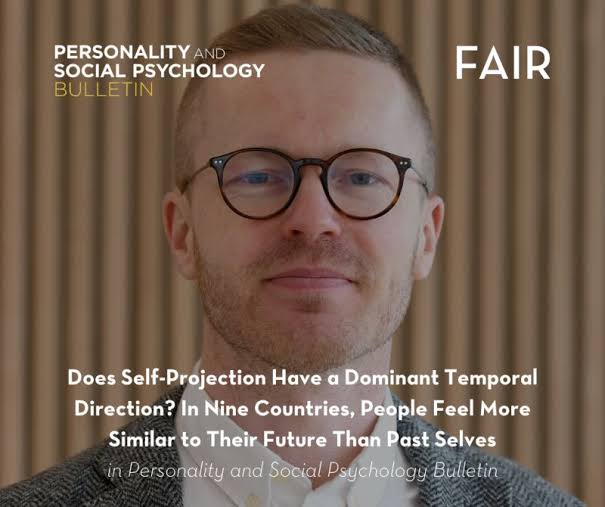
A new study asks whether authenticity is actually perceptible. The answer is yes - but one of the moments when intimacy seems like it should help most may be exactly when it stops helping.
Technology
Luth Research says most patients using AI for health information are not abandoning search engines or trusted health sites. They are moving among them, turning the supposedly simpler future into one more stop on an already complicated information journey.

Culture
The big win is seductive. The smaller, repeatable wins are what keep you moving long enough to reach it.
Reported Feature
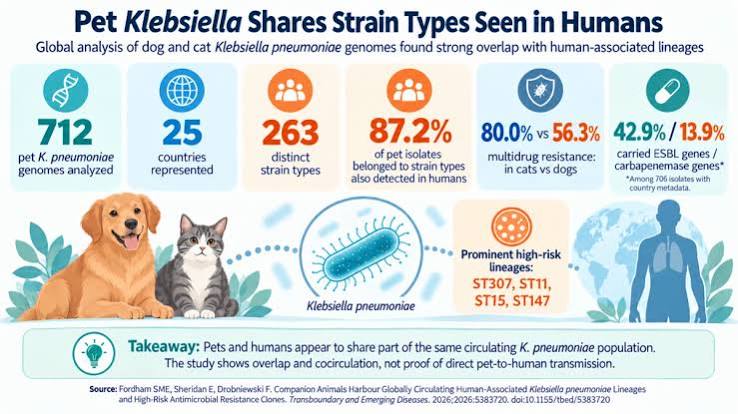
A global study of antibiotic-resistant Klebsiella in dogs and cats does not show that pets are making their owners sick. It does show how artificial the line between “human health” and “animal health” can become once we share a home.

Reported Feature
A new Modern Health survey says employees are taking ordinary work stress, difficult colleagues and the simple need for conversation into therapy. Put that beside Rutgers’ work on social prescribing and a stranger question appears: how many ordinary human needs are now being routed through formal care systems?

Reported Feature
Rowan University researcher Sarah Wilson is examining how engineering culture may shape not only student stress, but the language students use to decide whether their own distress counts as something that warrants support.

Reported Feature
New Jersey’s new rural youth peer-support program is built around an unusually important design decision: make help easier to reach at the moment someone is actually willing to ask for it.
Reported Feature
A new Gallup-Pivotal survey suggests the modern patient is increasingly expected to arrive not just with symptoms, but with homework.

Reported Feature
Rutgers researchers are studying how a Newark arts-prescription program keeps people engaged. The data question is practical. The language around it is more interesting: sometimes we do not discover that something helps so much as build a system that finally lets us call it help.

Reported Feature
A survey of 2,000 U.S. workers found employees are nearly four times more likely to talk through work stress with an AI chatbot than to use employer-provided mental-health support. The interesting question is not whether AI has become a therapist. It is why the machine can feel easier to talk to than the organization causing the stress.

Reported Feature
A new analysis of TikTok and Instagram wellness posts found restrictive rules, “clean” eating ideals and widespread misinformation. The more interesting problem is what happens when nutrition advice starts grading the person holding the fork.