
Media Industry
RMN dispatches tagged Media Industry.

You Are Building Retrieval Eligibility
Culture
The most valuable thing a publication can earn may not be a ranking. It may be the right to be considered.

I Work in Advertising. So Why Did I Build a Website Without Ads?
Culture
After nearly three decades working in advertising, I built a news and events site without ads, affiliate links, or attention-grabbing interruptions. New research from my own industry helps explain why giving readers a little peace might be worth more than another impression.
Journalism Is a Practice, Not a Job Title
Reported Feature
A Syracuse University survey finds Americans increasingly value original reporting and public accountability over formal credentials, even as they continue to distinguish independent creators from professional journalists.

Americans Are Paying to Avoid Advertising. What Does That Say About the Internet We've Built?
Reported Feature
New research finds that 65% of Americans actively avoid advertising, revealing how the desire for fewer interruptions is reshaping digital habits, subscriptions and expectations of online content.
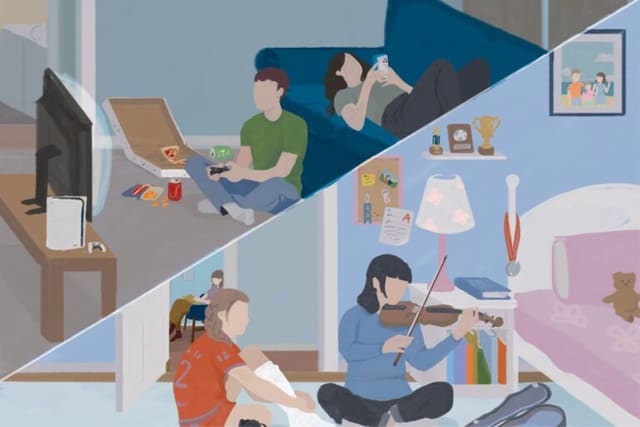
Maybe 'Screen Time' Doesn't Mean Anything Anymore
Reported Feature
A 2026 survey suggests American teenagers are increasingly living in different digital worlds, divided by gender, class and activity, while adults continue to measure all of it with one blunt number.

We Are Now Conducting Surveys Without Surveying People
Reported Feature
HCLTech's new wealth-management study asks 1,066 AI-generated personas what senior executives would think - and turns the answers into percentages that look exactly like conventional survey results.
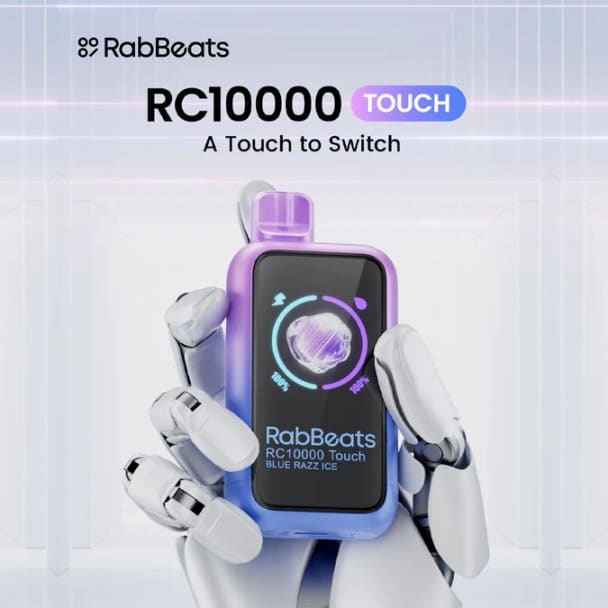
We Gamified Everything. Eventually We Were Going to Gamify the Addiction Too.
Reported Feature
Smart vapes that reward continued use with points, refills and cryptocurrency turn a familiar digital engagement strategy into something considerably stranger.
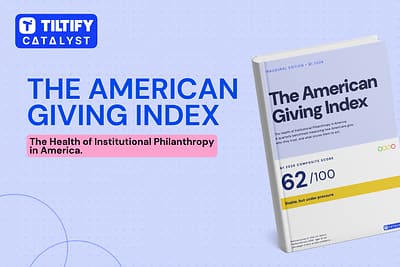
What If Gen Z Isn't Less Generous? What If We're Measuring Generosity Wrong?
Reported Feature
A new American Giving Index finds the generation donors rank least generous is also the one most likely to recruit other people into a cause.

The Most Powerful Influencer Post May Be the One That Isn't Selling Anything
Reported Feature
A Rutgers Health and Harvard experiment suggests that influence can work most quietly when alcohol is simply part of the scenery, not the product being pitched.
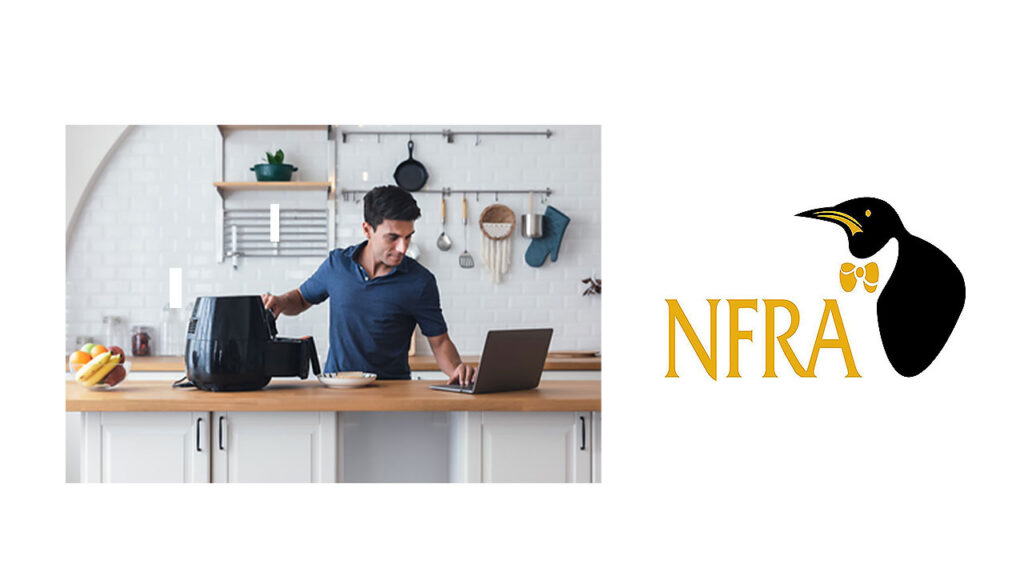
The Air Fryer Won America. We Mostly Use It for Nuggets.
Reported Feature
Seven in ten American homes now have an air fryer. Nine in ten owners want to do more with it. The interesting part is what happens after a “must-have” appliance becomes ordinary enough to reveal what we actually wanted from it.

You Are Not Driving Engagement. You Are Just Tricking People.
Culture
How a useful business metric became a polite name for behavioral manipulation
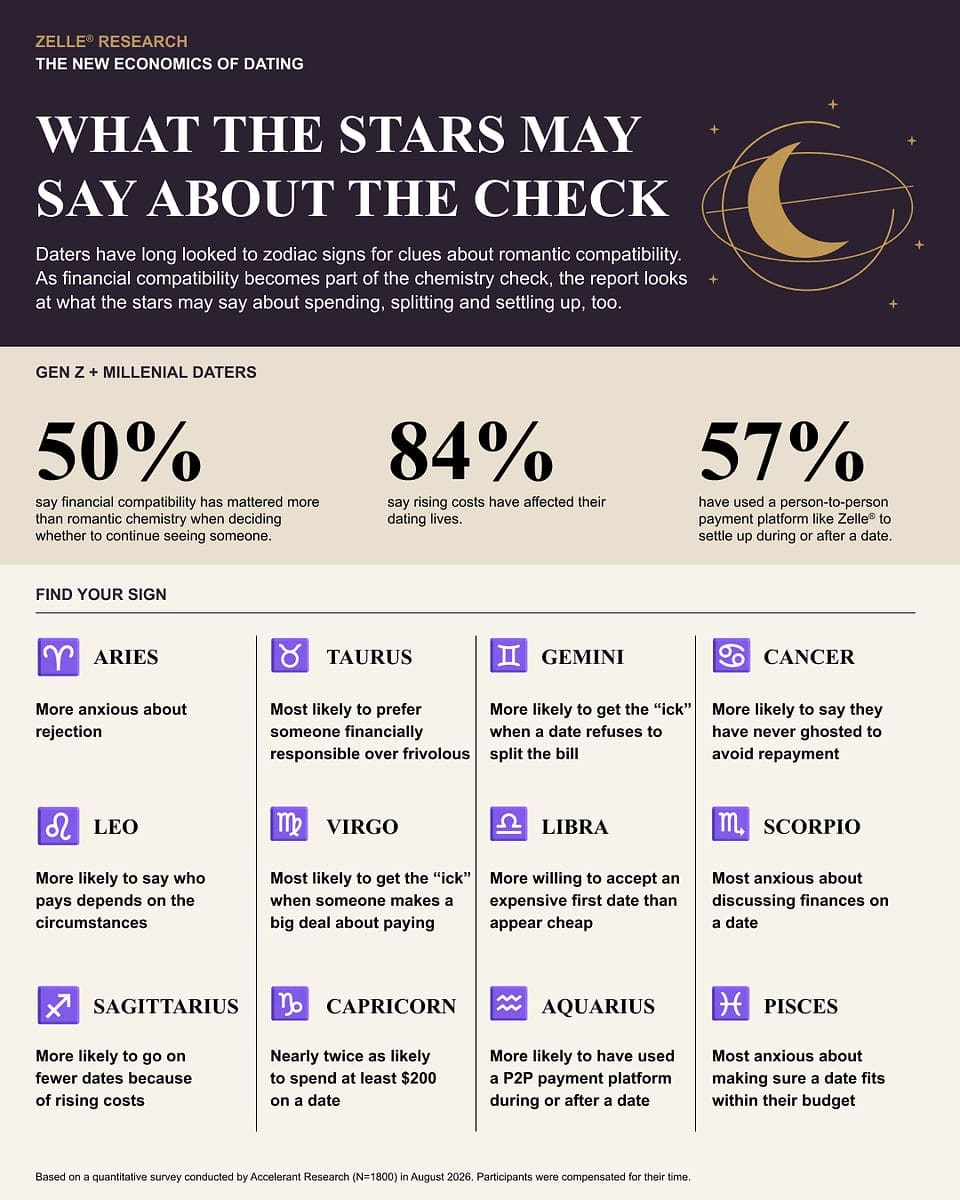
The Price of Admission to Romance
Reported Feature
Dating has a cover charge now, and younger adults are deciding whether the experience is worth the price.
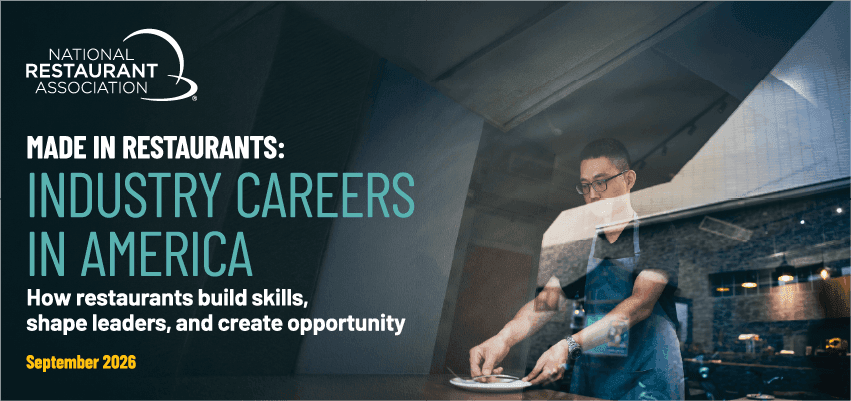
Maybe We Should Stop Calling Other People's Careers 'Just a Job'
Reported Feature
New restaurant-industry research reveals a striking perception gap: the people doing the work often see far more career value in it than the people who have never done it.

Nobody Trusts the Ranking. Everybody Still Wants to Know the Ranking.
Reported Feature
A new Kaplan survey finds that skepticism of college rankings has become durable. Participation has, too, which may say more about the power of a metric than the credibility of the metric itself.

The Moment a “Foreign Food” Just Becomes Lunch
Reported Feature
Frozen gimbap and the invisible cultural line between explanation and expectation

Some of the Most Important Parenting Happens When You Aren’t Parenting
Reported Feature
New Rutgers research about fathers of daughters raises a larger question about the lessons children absorb from the ordinary relationships happening around them.
Maybe the Gen Z Stare Isn’t a Lack of Social Skills. Maybe They Just Don’t Want This Conversation.
Reported Feature
New Preply research finds Gen Z reports more daily small talk than older generations while also avoiding more live conversations. That sounds contradictory only if we assume communication has one correct format.

Eventually You Have to Let Gary Be Wrong
Reported Feature
The internet has an unpaid fact-checker burnout problem.

Write the Story. Build the Answer.
Culture
The best modern publishing may have stopped asking writers to choose between being interesting and being useful.

The New AI Slop Is Calling Everything AI Slop
Culture
AI-generated junk was a real problem. Now the internet is developing a second one: people dismissing human work with the same copy-pasted accusation, often without evidence, curiosity, or even reading what they are attacking.
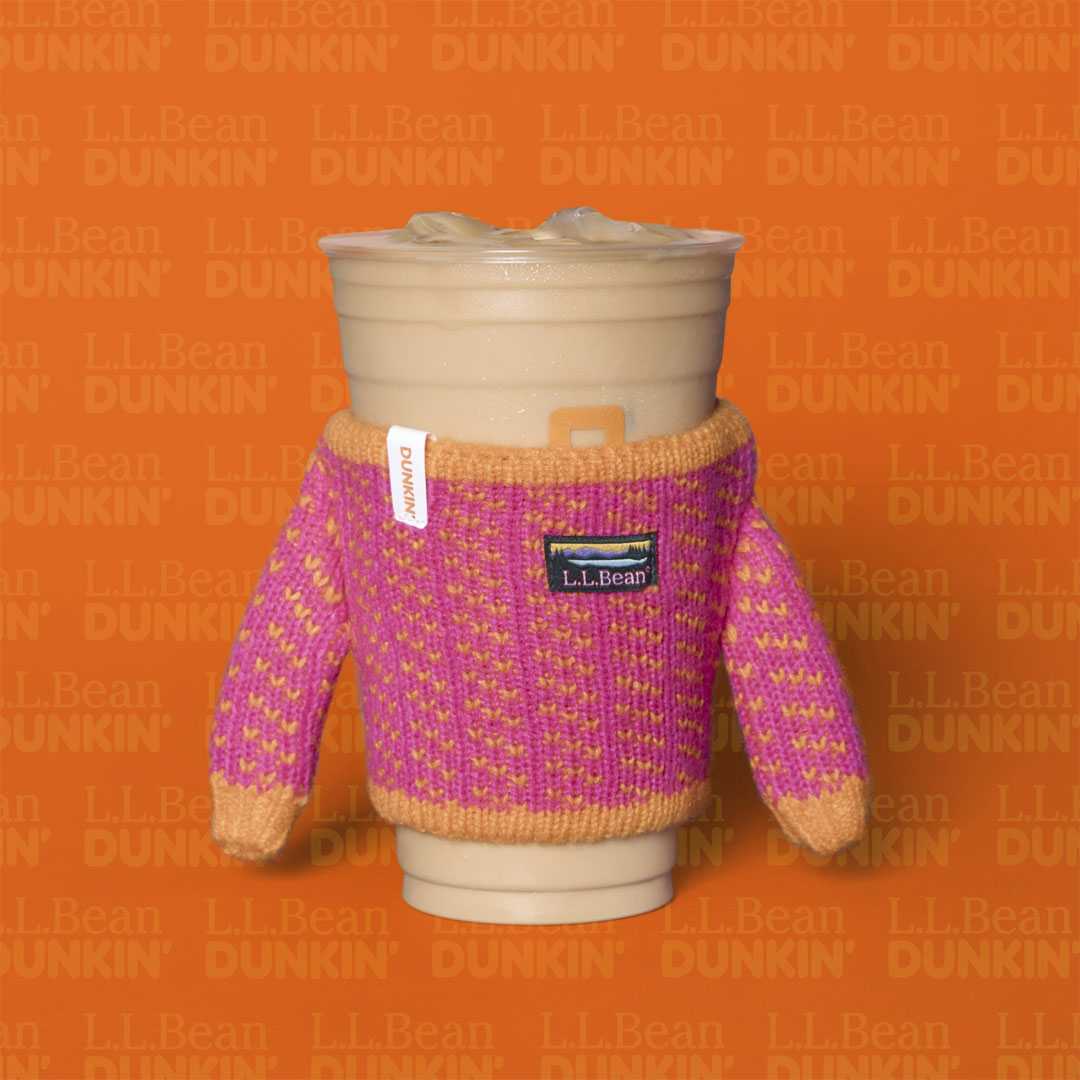
At Some Point, the Coffee Run Became an Outfit
Reported Feature
Dunkin’ and L.L.Bean’s first collaboration works because it doesn’t invent a lifestyle. It recognizes one New England has been rehearsing for decades.

Parents Are Comparing Themselves on Social Media Too
Reported Feature
A Griffith University study of Australian parents found that upward comparison with other parents on social media was strongly associated with parental anxiety and overprotective behavior. The uncomfortable question underneath it: when does protecting a teenager become a way for the parent to manage their own fear?

The Dog Has a Thanksgiving Dinner Now
Reported Feature
Ollie's Holiday Feast is more than seasonal dog food. It is another sign that we are no longer merely bringing dogs into human rituals. We are building parallel versions of the rituals so they can participate.

The Billboard Feels Human Now
Reported Feature
We personalized advertising so aggressively that a message designed for everyone in the street can now feel more human than one selected specifically for you.

Are You 4imprint Certain?
Reported Feature
When an Ad Slogan Escapes the Commercial
The Internet Is Helping Teach Kids What Behavior Gets Rewarded
Reported Feature
Children have always learned how people are supposed to behave by watching other people. Now some of that observation happens inside digital spaces where approval, attention and conflict are visible, measurable and sometimes amplified.

The Employees Already Adopted AI. Management Is Writing the Rules Now.
Technology
A Nationwide survey captures the workplace problem from the bottom up: unofficial AI use is becoming ordinary faster than many companies are deciding what ordinary use is supposed to look like.

The Editors Don’t Want AI to Tell the Story. They Want It to Find the Damn Footage.
Technology
Avid and Google Cloud’s latest post-production push points toward a more useful workplace question: what if automation gave creative people more of their actual jobs back?

Nothing Sits Still
Culture
Every finished thing should become raw material for the next one.
The Collision and the Gap
Culture
A useful story-finding rule: find where things collide — or where they fail to meet. That’s where the story usually lives.

The Beautiful Mistake
Culture
As generative systems make polished images, music and design cheaper, artists are rediscovering noise, grain, distortion, pixelation and physical error. The flaw is no longer something to remove. Increasingly, it is evidence that somebody was there.
Which Group Chat Contains the Real You?
Reported Feature
Maybe authenticity is not behaving identically with everybody. Maybe relationships activate different parts of the same person.

Failure Is Always an Option
Culture
The most dangerous plans are sometimes the ones we refuse to let fail.

At Some Point, TikTok Became Part of the Courtroom
Reported Feature
A new Alcatraz East exhibit about criminal-defense attorney and TikTok creator Stephanie Giancristofaro captures a larger shift in crime coverage: legal expertise, journalism, commentary, personality and speculation now arrive beside one another in the same feed.

AI Detectors Can Find the Pattern. They Still Can’t Hear the Writer.
Reported Feature
A percentage can tell you that prose resembles a pattern. It cannot tell you where a sentence learned its timing, why a writer broke the rhythm on purpose, or whether the apparent polish is artificial at all.

700 People Said It. America Has Apparently Spoken.
Culture
Press-release surveys can start a useful conversation without being allowed to end it.
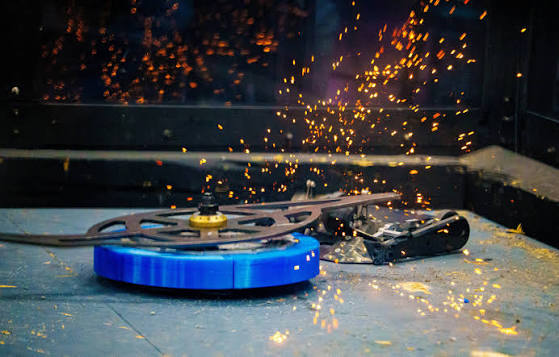
Robot Fighting Is Having a Moment Again
Reported Feature
For anyone who loved the early days of BattleBots and lost track of combat robotics for a while, National Havoc Robot League is a very good reason to look again. NHRL is building the ladder, media reach, builder culture and professional structure that could turn robot fighting from a familiar spectacle into a durable sport.

The Prompt Is Becoming the New Search Query
Reported Feature
Muck Rack says Generative Pulse now uses millions of real consumer AI interactions to recommend the questions brands should monitor. For GEO, that is a shift from imagined prompt libraries toward observed audience behavior — and a glimpse of the measurement layer AI search has been missing.

Professional Table Tennis Is a Thing. Now It’s Much Easier to Watch.
Reported Feature
Major League Table Tennis is putting every match of its fourth season on YouTube and DAZN, while expanding onto national and regional television. For a sport almost everyone has played but relatively few Americans regularly watch, visibility may be the difference between curiosity and fandom.

Cognizant Is Trying to Name the Jobs That Come After AI Disruption
Reported Feature
From Teaneck, Cognizant is hiring graduates and inventing job titles for an AI-enabled workplace, Frontier Certified Engineers and Frontier Business Operators, before the labor market has settled language for what comes next.
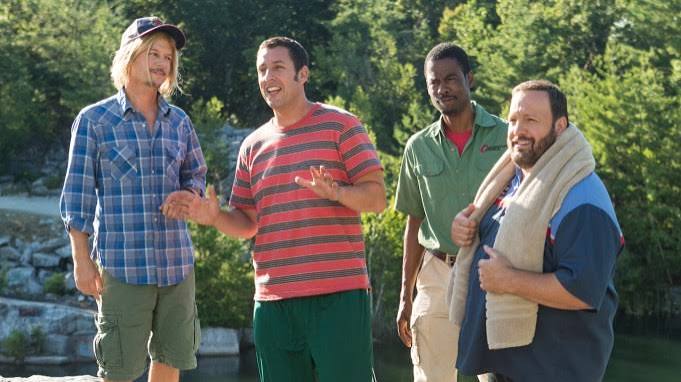
Adam Sandler Is Filming All Over New Jersey. Again.
Culture
Grown Ups 3 has moved through suburban streets, downtown business districts, restaurants and a Shore amusement park. The more interesting story is not that Hollywood showed up. It is that New Jersey increasingly knows what to do when it does.

The Bigger the Studio, the Smaller the Map
Culture
The Paramount-Warner Bros. fight is about more than franchises and streaming scale. In a consolidated entertainment economy, fewer companies decide what gets made while recommendation systems increasingly decide what gets found. Regional storytelling can survive that system - but often only after learning how to travel.

When the Audience Joins the Investigation
Culture
True crime used to turn criminal cases into stories. Podcasts, forums, searchable archives and social platforms turned the audience into participants. The result can revive a cold case, identify a person who lost their name, or create a second injustice before police ever reach the first.