
Platform Culture
RMN dispatches tagged Platform Culture.
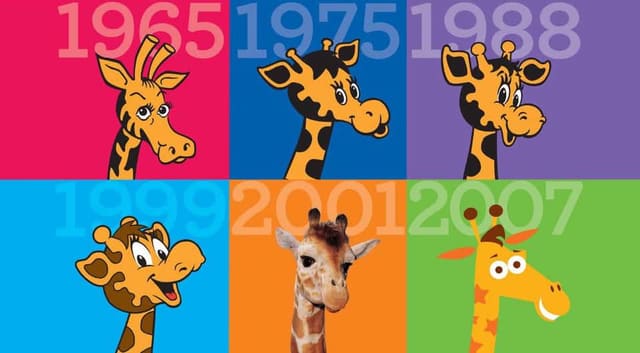
The 1% Approach to Nostalgia
Reported Feature
Toys“R”Us figured out how to bring back the brand. It may have missed what people were actually mourning.

Vacation Was Supposed to Be a Break. Now It Feels Like Another Thing to Get Right.
Reported Feature
Hilton's 2027 travel research says more than half of travelers feel pressure to have the perfect trip. Maybe the most revealing trend is that people are starting to reject the idea that leisure needs to be optimized at all.

The Internet Made Us All Feel Like Experts. Then Someone Gave Us a Test.
Reported Feature
A University of Georgia study found a gap between investors’ confidence and their actual knowledge. The uncomfortable part is how familiar that gap feels beyond investing.

You Are Building Retrieval Eligibility
Culture
The most valuable thing a publication can earn may not be a ranking. It may be the right to be considered.

Journalism Is a Practice, Not a Job Title
Reported Feature
A Syracuse University survey finds Americans increasingly value original reporting and public accountability over formal credentials, even as they continue to distinguish independent creators from professional journalists.

The Trouble With Comparing Yourself to Who You Used to Be
Reported Feature
A new Ohio State study finds that comparing today’s reflection with an earlier version of ourselves can be tied to shame—or to greater appreciation for how far we’ve come.
Students Didn’t Just Learn More Without Their Phones. They Started Liking the Rules.
Reported Feature
A large experiment found stronger grades and quieter classrooms after phone restrictions — plus an unexpected change of heart. As New Jersey schools put bell-to-bell policies into practice, that may be the most revealing result.

What If We’ve Been Asking the Wrong Question About Kids and Screen Time?
Reported Feature
A study of nearly 22,000 Swedish twins suggests the relationship between screens and mental health is more complicated than hours alone can explain.
When Did Holding a Grudge Become a Form of Self-Care?
Reported Feature
Nearly four in ten Americans say holding grudges can be healthy. The more interesting question is whether they mean resentment, accountability or simply refusing to be hurt twice.

Americans Are Paying to Avoid Advertising. What Does That Say About the Internet We've Built?
Reported Feature
New research finds that 65% of Americans actively avoid advertising, revealing how the desire for fewer interruptions is reshaping digital habits, subscriptions and expectations of online content.

Gen Z Was Supposed to Be the Job-Hopping Generation. So Why Are Older Workers More Ready to Leave?
Reported Feature
New workforce research turns a familiar generational stereotype upside down, finding that the youngest employees have the strongest intentions to stay while experienced workers are increasingly questioning their future at work.

Chimpanzees Expect Better Behavior From Their Friends. Sound Familiar?
Reported Feature
New research from UC Berkeley suggests that chimpanzees don’t just form friendships. They may also expect those relationships to come with special treatment, even when pineapple is on the line.
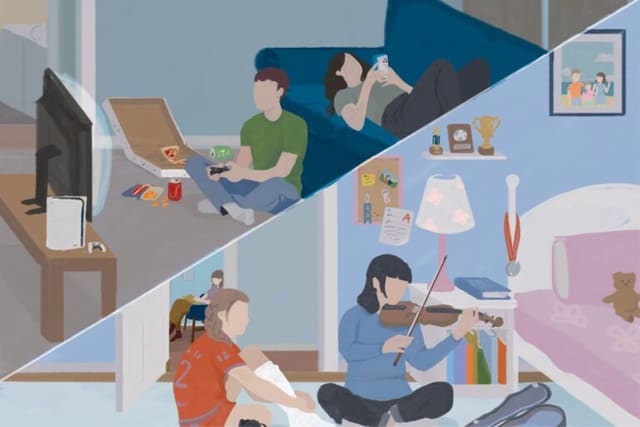
Maybe 'Screen Time' Doesn't Mean Anything Anymore
Reported Feature
A 2026 survey suggests American teenagers are increasingly living in different digital worlds, divided by gender, class and activity, while adults continue to measure all of it with one blunt number.

The Emergency Scene Is Becoming a Dashboard
Reported Feature
Nokia's new Cognitive Operations platform imagines police cars, fire trucks and ambulances as a self-organizing field network that can build a live 3D picture of an incident. The technology is striking. The harder question is what happens when situational awareness becomes something a machine helps construct before a responder acts.
We Know the Number Is Wrong. Put It in the Deck Anyway.
Reported Feature
The strangest part of stale business data is not that companies have it. It is that executives sometimes know it is stale, make the decision anyway, and keep moving.
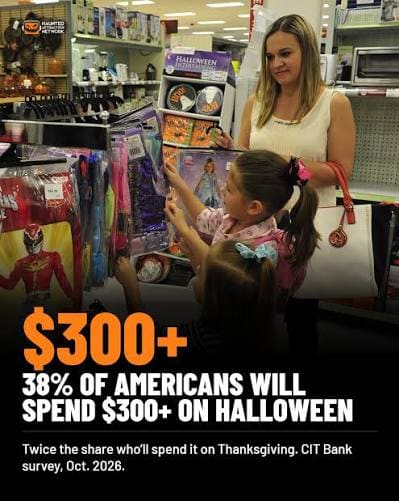
When Did Halloween Get Bigger Than Thanksgiving?
Reported Feature
A new CIT Bank survey finds Halloween commanding surprisingly large budgets, especially among younger adults. The numbers suggest the holiday has become something more than a night of candy and costumes: a seasonal marketplace for identity, experience and shareable life.
What If Everyone Is Afraid of Becoming Someone Else’s Content?
Reported Feature
A new national survey suggests the possibility of being recorded and unexpectedly turned into social-media content is changing how Americans behave in public. The most revealing part may be what people are starting to hold back.

We Started Photographing Our Food. Now Restaurants Are Designing Food for the Photograph.
Reported Feature
Denny’s Japan built a parfait glass that looks full-sized from the front while holding only half the dessert. It is a clever food-waste intervention, but it also reveals something larger: social media is no longer merely changing how restaurants present food. It is beginning to change the physical objects themselves.
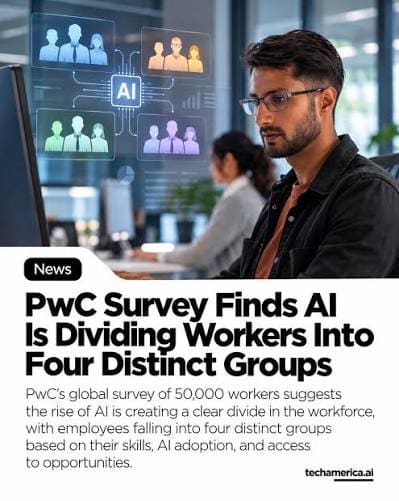
Everyone Is Told to Learn AI. Who Gets the Chance?
Reported Feature
PwC’s new workforce survey suggests a divide in who gets to participate in the future of work. AI use is rising while fewer workers say they can access the learning resources they need.
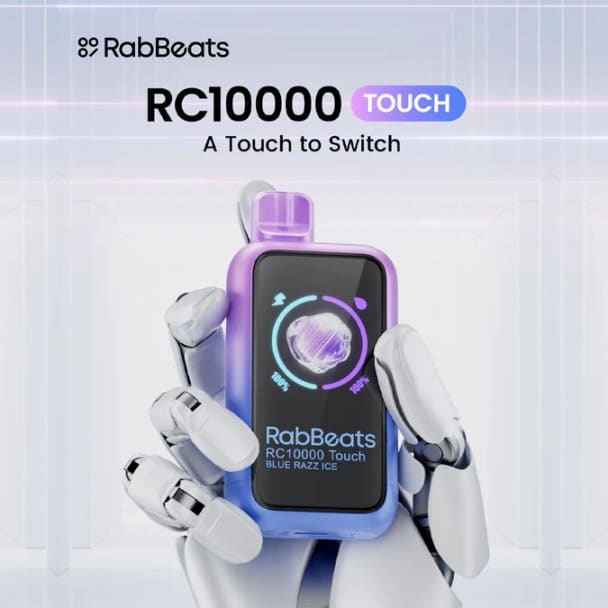
We Gamified Everything. Eventually We Were Going to Gamify the Addiction Too.
Reported Feature
Smart vapes that reward continued use with points, refills and cryptocurrency turn a familiar digital engagement strategy into something considerably stranger.

What If Gen Z Isn't Less Generous? What If We're Measuring Generosity Wrong?
Reported Feature
A new American Giving Index finds the generation donors rank least generous is also the one most likely to recruit other people into a cause.

We Keep Talking About "Young People" Like They're One Group
Reported Feature
Refuel Agency's 2026 research suggests the teen years, college years and early adulthood are not one continuous digital demographic - and our shorthand may be hiding the most interesting part.

We Have Started Selling Kids the Childhood We Removed
Reported Feature
Little Diggers is expanding a business built around an almost aggressively simple idea: put children in a giant sandbox, give them trucks and excavators, and let them stay there awhile. The interesting part is not that the model can be franchised. It is what we now recognize as valuable enough to buy back.

The Most Powerful Influencer Post May Be the One That Isn't Selling Anything
Reported Feature
A Rutgers Health and Harvard experiment suggests that influence can work most quietly when alcohol is simply part of the scenery, not the product being pitched.

If Weight Loss Isn’t a Competition, How Can Taking Ozempic Be Cheating?
Reported Feature
New qualitative research from Florida State University suggests GLP-1 users are often managing something beyond medication: the judgments of people closest to them.

Maybe Gen Z Didn’t Stop Reading. Maybe We Kept Counting the Wrong Things.
Reported Feature
New research on Gen Z and public libraries complicates the familiar story that phones, social media and short-form video displaced books. The more interesting question may be whether our definition of a “reader” has kept up with the ways reading now happens.
The Air Fryer Won America. We Mostly Use It for Nuggets.
Reported Feature
Seven in ten American homes now have an air fryer. Nine in ten owners want to do more with it. The interesting part is what happens after a “must-have” appliance becomes ordinary enough to reveal what we actually wanted from it.
You Are Not Driving Engagement. You Are Just Tricking People.
Culture
How a useful business metric became a polite name for behavioral manipulation
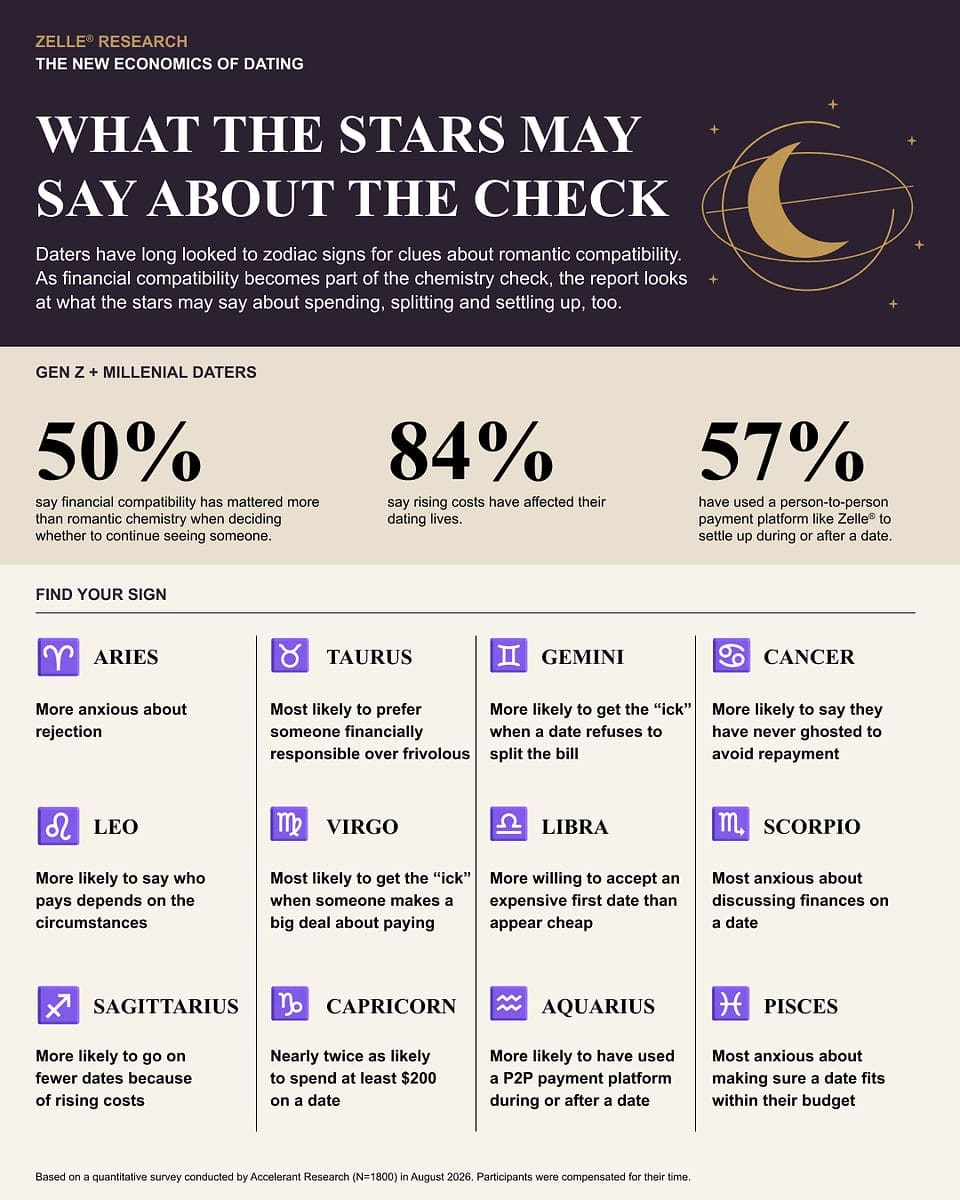
The Price of Admission to Romance
Reported Feature
Dating has a cover charge now, and younger adults are deciding whether the experience is worth the price.
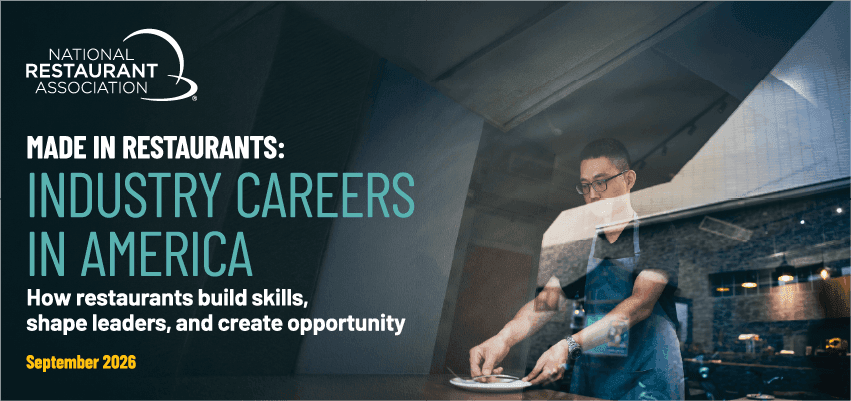
Maybe We Should Stop Calling Other People's Careers 'Just a Job'
Reported Feature
New restaurant-industry research reveals a striking perception gap: the people doing the work often see far more career value in it than the people who have never done it.

Nobody Trusts the Ranking. Everybody Still Wants to Know the Ranking.
Reported Feature
A new Kaplan survey finds that skepticism of college rankings has become durable. Participation has, too, which may say more about the power of a metric than the credibility of the metric itself.

Some of the Most Important Parenting Happens When You Aren’t Parenting
Reported Feature
New Rutgers research about fathers of daughters raises a larger question about the lessons children absorb from the ordinary relationships happening around them.
Maybe the Gen Z Stare Isn’t a Lack of Social Skills. Maybe They Just Don’t Want This Conversation.
Reported Feature
New Preply research finds Gen Z reports more daily small talk than older generations while also avoiding more live conversations. That sounds contradictory only if we assume communication has one correct format.

Everybody Says Put Down the Phone. Fine. Where Are We Supposed to Go?
Reported Feature
A new national survey suggests Americans want more face-to-face life. The harder question is whether we have left them enough affordable places to have one.

Eventually You Have to Let Gary Be Wrong
Reported Feature
The internet has an unpaid fact-checker burnout problem.

Write the Story. Build the Answer.
Culture
The best modern publishing may have stopped asking writers to choose between being interesting and being useful.

Apparently, We Need Conversation Lessons Now
Reported Feature
Rutgers is giving students credit, and paying fellows, to practice a skill we once assumed everyone picked up along the way: staying in a difficult conversation.
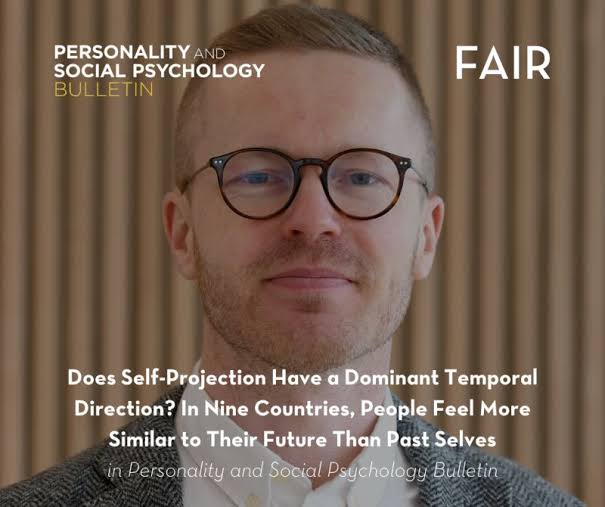
Knowing Someone Better Doesn't Always Mean Seeing Them More Clearly
Reported Feature
A new study asks whether authenticity is actually perceptible. The answer is yes - but one of the moments when intimacy seems like it should help most may be exactly when it stops helping.

The New AI Slop Is Calling Everything AI Slop
Culture
AI-generated junk was a real problem. Now the internet is developing a second one: people dismissing human work with the same copy-pasted accusation, often without evidence, curiosity, or even reading what they are attacking.
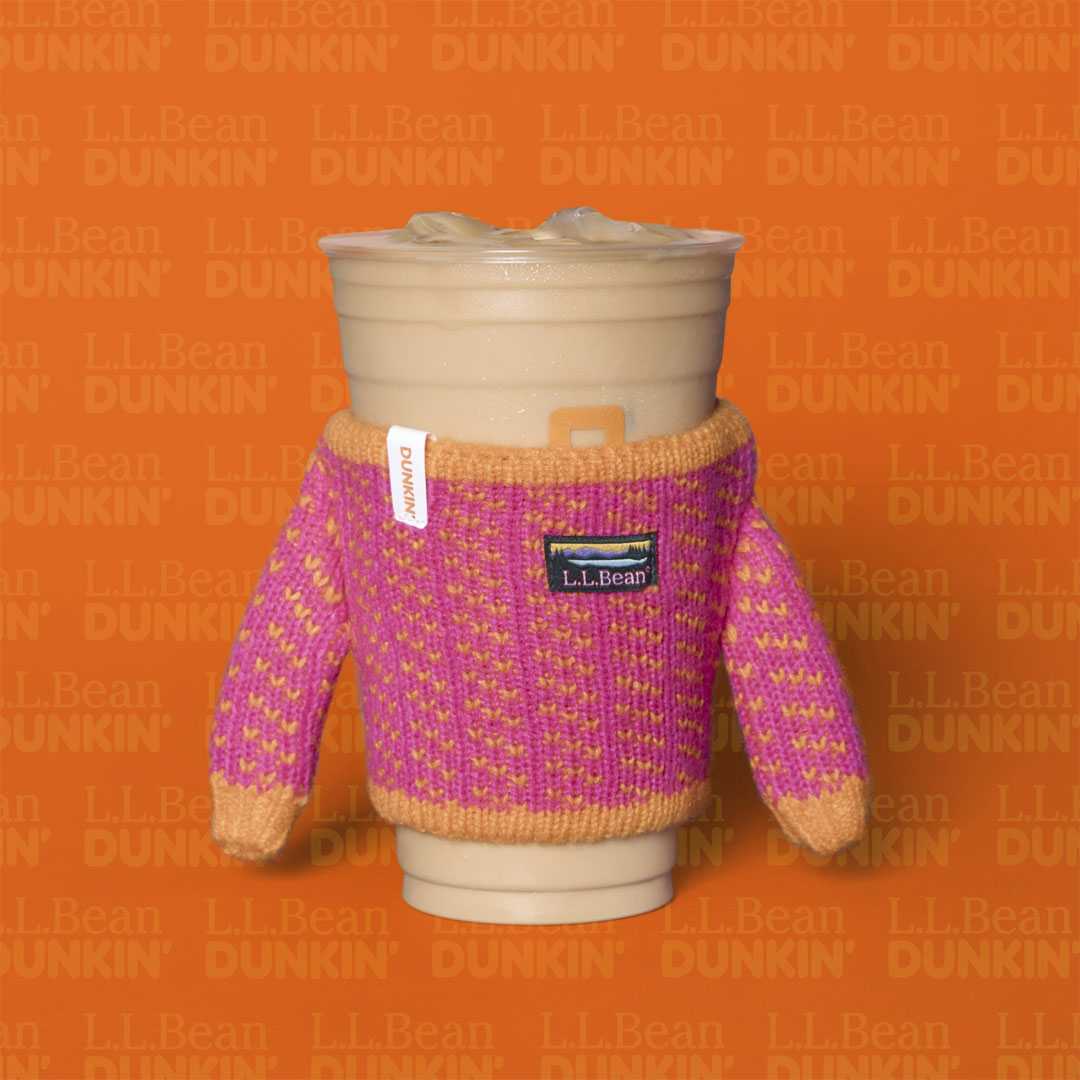
At Some Point, the Coffee Run Became an Outfit
Reported Feature
Dunkin’ and L.L.Bean’s first collaboration works because it doesn’t invent a lifestyle. It recognizes one New England has been rehearsing for decades.

Parents Are Comparing Themselves on Social Media Too
Reported Feature
A Griffith University study of Australian parents found that upward comparison with other parents on social media was strongly associated with parental anxiety and overprotective behavior. The uncomfortable question underneath it: when does protecting a teenager become a way for the parent to manage their own fear?

The Computer Science School Would Like Everyone to Please Put Down the Computer
Reported Feature
Cornell Unplugged is asking a campus built partly around technological innovation to spend a week using less of it, not because technology is bad, but because even the people helping shape its future are asking what happens when we make room for everything it can displace.

Relationship-Based Deceptive Patterns: When the Dark Pattern Says It Loves You
Reported Feature
University of Washington researchers studying emerging adults in romantic relationships with AI companions describe a new class of manipulative design: interfaces that use the language and obligations of intimacy to make leaving harder.
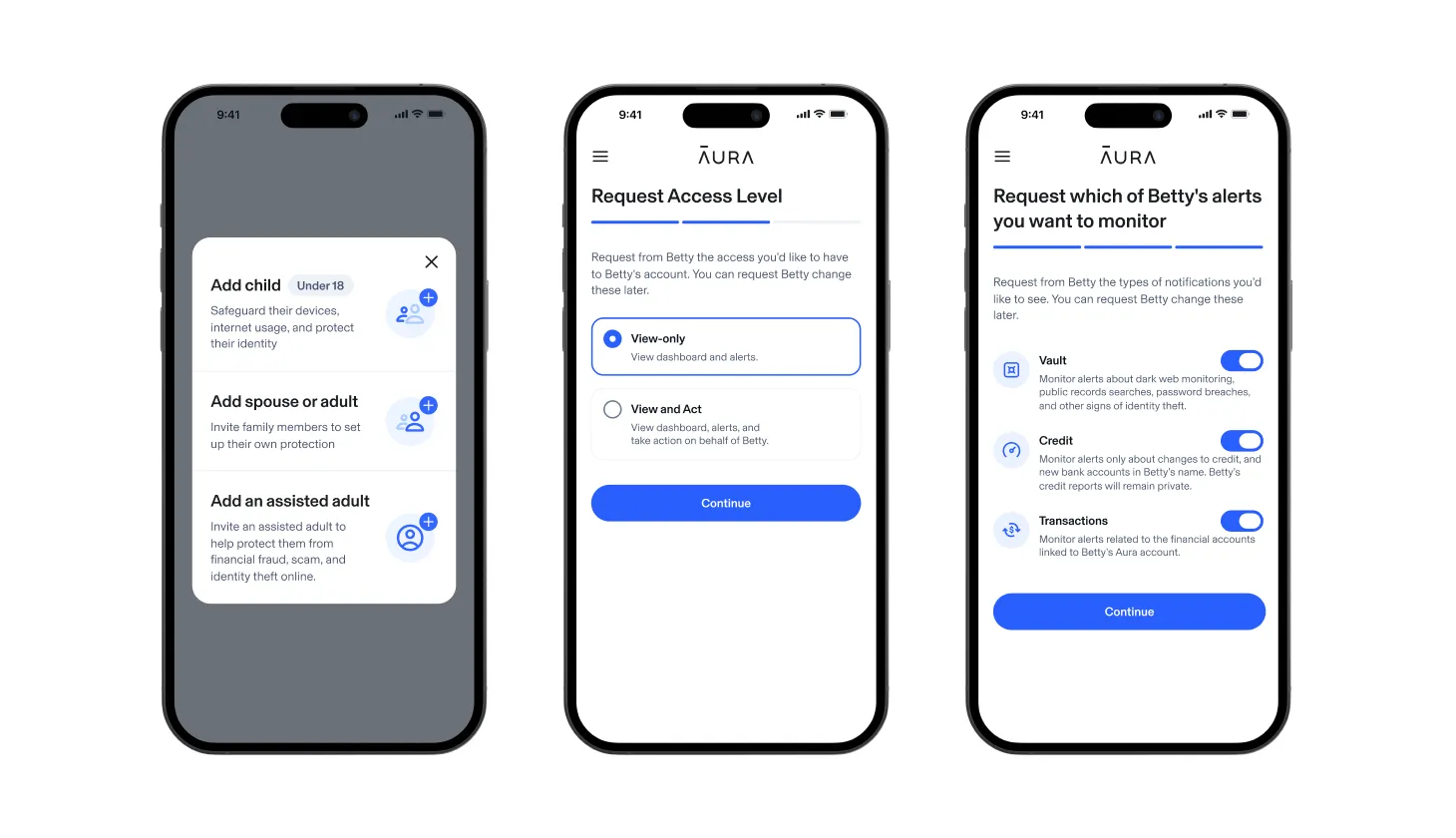
At Some Point, You Become Tech Support for the People Who Raised You
Reported Feature
Aura's new Trusted Family Access formalizes a family transition that rarely gets announced: helping an aging parent stay safe online without quietly taking over their life.
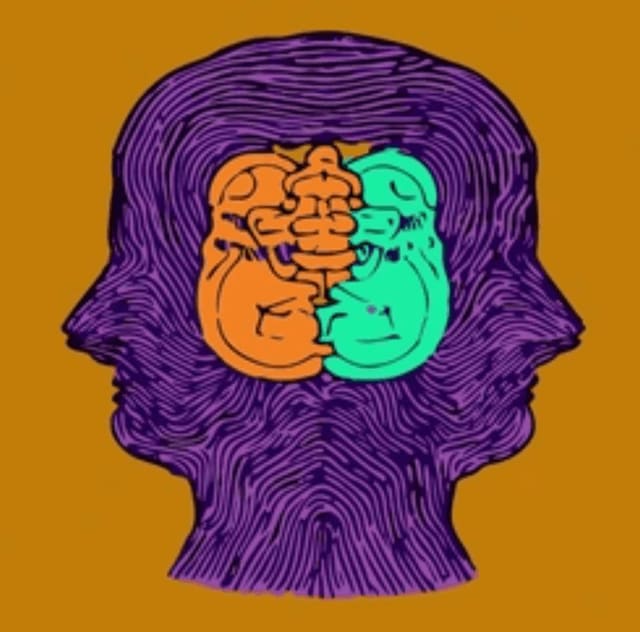
The Internet Is Helping Teach Kids What Behavior Gets Rewarded
Reported Feature
Children have always learned how people are supposed to behave by watching other people. Now some of that observation happens inside digital spaces where approval, attention and conflict are visible, measurable and sometimes amplified.

AI Didn’t Replace Googling Your Symptoms. We Just Added Another Place to Worry.
Technology
Luth Research says most patients using AI for health information are not abandoning search engines or trusted health sites. They are moving among them, turning the supposedly simpler future into one more stop on an already complicated information journey.

Manufacturing Momentum
Culture
The big win is seductive. The smaller, repeatable wins are what keep you moving long enough to reach it.
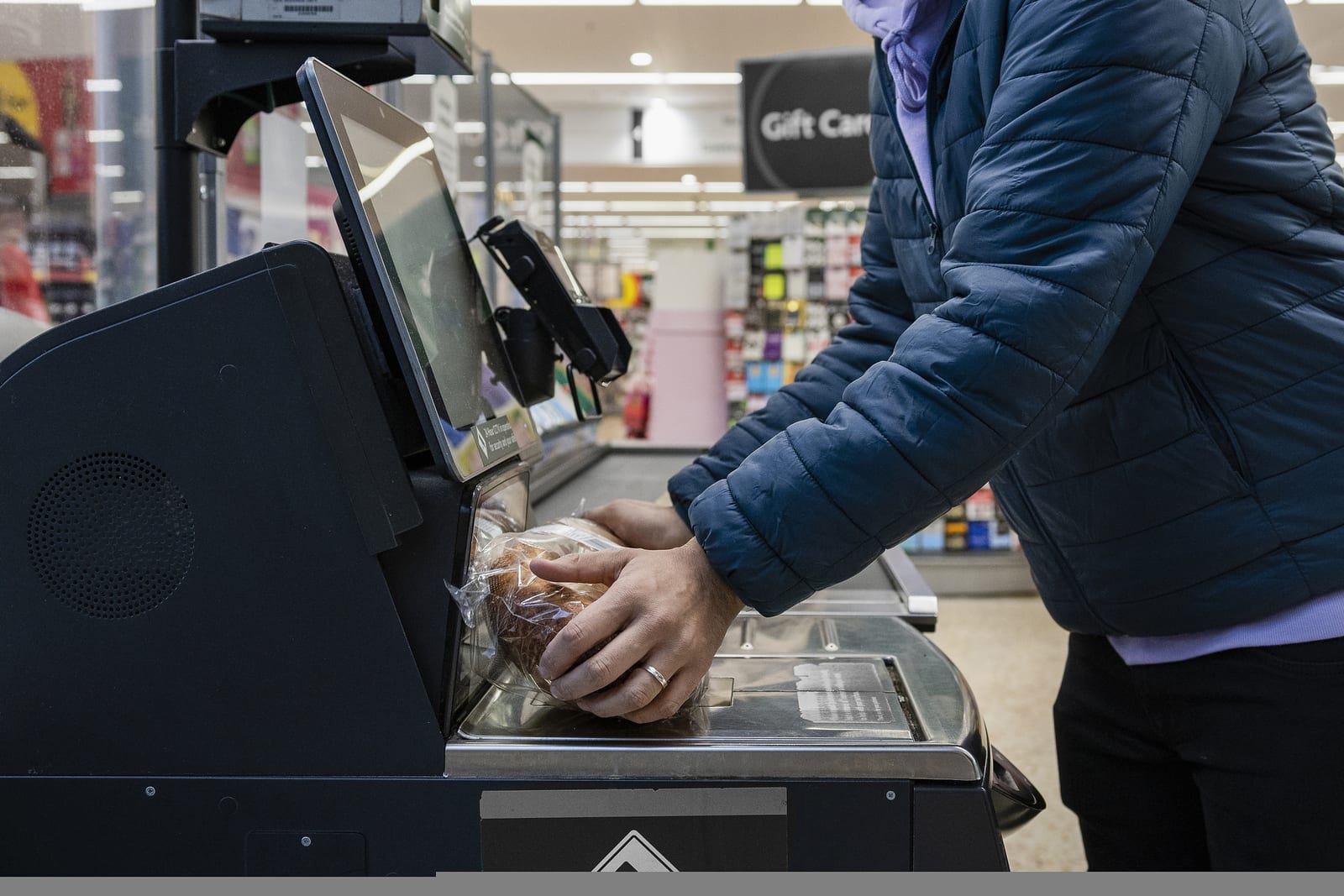
When Surveillance Learns to Be Polite
Technology
Scandit’s new self-checkout loss-prevention system gives shoppers a chance to fix a missed scan before escalating, turning the checkout lane into a small experiment in how machines interpret mistakes.

The Employees Already Adopted AI. Management Is Writing the Rules Now.
Technology
A Nationwide survey captures the workplace problem from the bottom up: unofficial AI use is becoming ordinary faster than many companies are deciding what ordinary use is supposed to look like.

The Editors Don’t Want AI to Tell the Story. They Want It to Find the Damn Footage.
Technology
Avid and Google Cloud’s latest post-production push points toward a more useful workplace question: what if automation gave creative people more of their actual jobs back?

Nothing Sits Still
Culture
Every finished thing should become raw material for the next one.

We’re Not Just Buying the Perfume Anymore. We’re Buying the Memory Inside It.
Reported Feature
Anecdotes by Artists is putting the perfumer’s biography, memories and creative process at the center of the product. That says something bigger about what provenance has become in consumer culture.
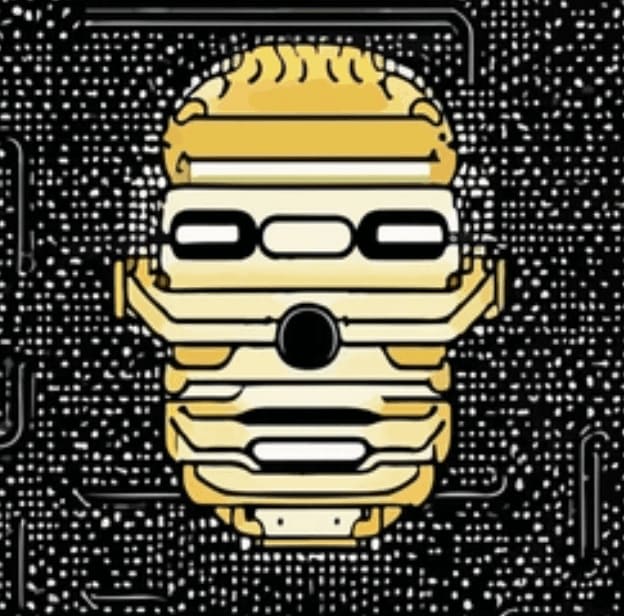
The Job Description Said 'Digital Native.' The Applicant Heard 'Not You.'
Reported Feature
A new CWI Works/Ipsos survey suggests that age bias does not always arrive as an explicit rule. Sometimes it is hiding in perfectly ordinary workplace language.
When the Human Becomes the Interface
Technology
AI is supposed to adapt to people. Increasingly, people are learning new dialects, verification routines and workarounds to make the machine useful.
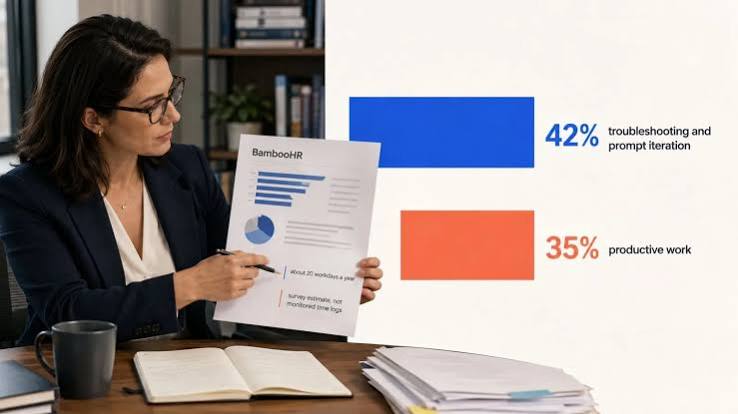
We Saved So Much Time With AI We Had to Spend 20 Days Fixing It
Reported Feature
BambooHR’s new survey annualizes current daily AI troubleshooting into roughly 20 workdays. That is a useful measure of scale, but it is not a measured annual loss, a historical trend, or a prediction of what workers will lose in future years.

The Price Tag Knows Who You Are
Reported Feature
New Jersey has enacted a law aimed at keeping personal data out of grocery pricing, while the Federal Trade Commission is deciding how aggressively federal consumer-protection law should reach personalized prices nationwide. The emerging fight is not simply over algorithms. It is over whether a price should describe the product in front of you or the person standing in front of it.

The Beautiful Mistake
Culture
As generative systems make polished images, music and design cheaper, artists are rediscovering noise, grain, distortion, pixelation and physical error. The flaw is no longer something to remove. Increasingly, it is evidence that somebody was there.

The Bet Is Everywhere Now
Reported Feature
New Jersey can now sell you a $5 piece of Jon Bon Jovi nostalgia with a chance at $200,000. Matthew Broderick is selling an online casino as an act of rebellion. Gambling has stopped advertising only the wager. It is borrowing everything we already love.

We Automated the Answer, Not the Responsibility
Technology
A new survey finds workers are often using AI answers they do not fully trust, while most employers have not written verification rules. The mismatch is becoming a workplace system of its own: the machine produces the answer, the employee supplies the judgment, and accountability reappears the moment something goes wrong.

What Happens When Your Thumb Still Reaches for an App That Isn't There?
Reported Feature
A five-day social-media break at Laguna Beach High School suggests that the most revealing part of a digital habit may be the moment before we realize we're doing it.
Which Group Chat Contains the Real You?
Reported Feature
Maybe authenticity is not behaving identically with everybody. Maybe relationships activate different parts of the same person.

You Can’t Ask for Help With Something You’ve Been Taught to Call Normal
Reported Feature
Rowan University researcher Sarah Wilson is examining how engineering culture may shape not only student stress, but the language students use to decide whether their own distress counts as something that warrants support.
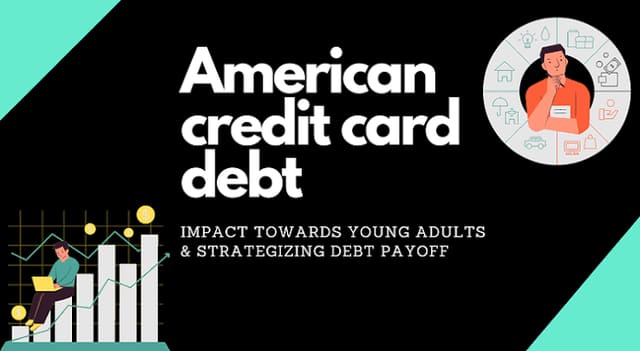
Your Credit Score Is a Number. Why Does It Feel Like a Grade?
Reported Feature
TomoCredit says nearly 90% of surveyed consumers associate the words “credit score” with something negative. That makes the number worth examining not just as financial information, but as a piece of language that can feel uncomfortably close to a judgment about the person looking at it.

You Know Things Are Expensive When the Water Bill Becomes a Financial Strategy
Reported Feature
A new survey of 113 U.S. mayors suggests the affordability crisis is migrating into the least glamorous parts of household life: utility bills, city fees, food assistance and the quiet decisions people make before they ever call themselves financially strained.

Your Childhood Has Been Premiumized
Reported Feature
Nostalgia used to sell us the thing we remembered. Now brands are taking the flavor, memory and cultural shorthand of childhood staples, rebuilding them as premium adult products, and selling the past back in a form that signals who we became.
Eight Hundred Thousand Views Is Not a Safety Certification
Reported Feature
Baby Safety Alliance's September campaign starts with car seats, but the larger problem is much bigger: parents now have to evaluate the authority behind advice while simultaneously trying to use it.

At Some Point, Watching the Game Became the Smallest Part of Being a Sports Fan
Reported Feature
A new St. John’s University screening looks at the collision of sports with algorithms, gambling, NIL, influencer culture, AI, mental health and media. The striking part is not any one trend. It is how much of modern sports now happens around the game instead of inside it.

Toys“R”Us is Back - NJ Is On The List
Reported Feature
You can bring back Geoffrey, the giant aisles and the feeling that somewhere in the building was the toy you absolutely needed. You just cannot bring back the world that made the old store possible.

We Didn't Give Up the Little Treat. We Learned How to Manufacture It.
Reported Feature
Rising prices were supposed to make small luxuries disappear. Instead, TikTok has helped turn some of them into DIY projects - giving consumers the skills, aesthetics and shopping lists to reproduce the experience at home.

At Some Point, TikTok Became Part of the Courtroom
Reported Feature
A new Alcatraz East exhibit about criminal-defense attorney and TikTok creator Stephanie Giancristofaro captures a larger shift in crime coverage: legal expertise, journalism, commentary, personality and speculation now arrive beside one another in the same feed.

Apparently All of Our Food Has Anxiety Now
Reported Feature
Two days after “Guacxiety,” a New Jersey snack company has arrived with the “Snack-Xiety Report.” At some point, the coincidence becomes a language story: advertising has discovered that anxiety is one of the quickest ways to name ordinary consumer friction.

AI Made the Work Cheap. Now We Need Software to Prove Someone Actually Did It.
Technology
Leapora AI’s Taskeen is built around a strange new workplace problem: when polished output becomes easy to produce, a checkmark saying “done” may be the least interesting thing a manager needs to know.
The Market Already Had Algorithms. Now the Broker Is One Too.
Reported Feature
BGC Group says its Fenics AI system autonomously handled a Swiss index-options trade from price discovery through execution. Financial markets have been automating for decades. The new question is what remains recognizably human when the intermediary joins the machines.
The Convenience Is the Collection
Reported Feature
Not every helpful app is secretly a data trap. But if the convenience requires a panoramic view of your life, it is worth asking who benefits from the panorama.

The Generation Raised by the Feed Is Pulling Up the Drawbridge
Reported Feature
Pacsun's second annual Youth Report gives Gen Z and Gen Alpha a branded new name, but the behavior underneath it is more interesting than the label: young people remain deeply online while becoming increasingly selective about whose advice, access and authority they allow into their private worlds.
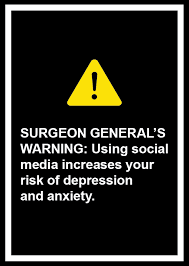
What Happens When Social Media Comes With a Warning Label?
Reported Feature
A Stanford Medicine experiment found that young people reacted differently depending on how social-media risks were described. As warning-label laws move from proposal to policy, a few sentences on a screen may become part of the behavioral architecture of the feed.

AI Detectors Can Find the Pattern. They Still Can’t Hear the Writer.
Reported Feature
A percentage can tell you that prose resembles a pattern. It cannot tell you where a sentence learned its timing, why a writer broke the rhythm on purpose, or whether the apparent polish is artificial at all.

700 People Said It. America Has Apparently Spoken.
Culture
Press-release surveys can start a useful conversation without being allowed to end it.

The Camera Recorded It. That Doesn't Mean the AI Saw It.
Reported Feature
Princeton researchers found that leading AI systems can miss basic events in police body-camera footage. The larger problem is what happens when we begin delegating observation itself.

The Prompt Is Becoming the New Search Query
Reported Feature
Muck Rack says Generative Pulse now uses millions of real consumer AI interactions to recommend the questions brands should monitor. For GEO, that is a shift from imagined prompt libraries toward observed audience behavior — and a glimpse of the measurement layer AI search has been missing.

If It's All Bots, What's the Point?
Reported Feature
Cloudflare says automated traffic has overtaken human requests for HTML pages. The stranger question is what happens when machines increasingly create, read, rank, summarize, and act on content before a person ever sees it.

You Didn't Agree to the App. You Were Just Standing Next to Someone Who Did.
Event Sherrerd Hall · Princeton University, Princeton, New Jersey
A Princeton seminar on "the bystander privacy problem" points to a growing weakness in the way technology treats consent: one person can choose the device while everyone nearby becomes part of the data.

AI Is Becoming Ordinary Enough for the Census People to Start Asking About It
Reported Feature
NTIA has not decided to add artificial-intelligence questions to a federal household survey. But a new notice asks whether AI use at work and home, and Americans’ attitudes toward it, now belong in the government’s long-running measurement of everyday internet life.

How Much of Yourself Are You Supposed to Leave at the Office Door?
Reported Feature
A new Express Employment Professionals-Harris Poll survey finds that most job seekers consider adapting to workplace culture important, even as many say the expectation is unfair. The harder question is where ordinary professionalism ends and sustained identity performance begins.

Urban Operas Is Betting That Specificity Can Be a Streaming Strategy
Reported Feature
Mann Robinson’s new mobile-first platform enters a booming microdrama market with a narrower proposition: Black stories should not have to live as a category inside someone else’s service when they can become the foundation of one.

What Happens When a Community Gets Its Own Piece of the Internet?
Reported Feature
FIDE and World Chess want .chess to mean more than branding: a restricted top-level domain where the suffix itself claims affiliation, verification and belonging.

Manufacturing the Prediction
Reported Feature
Two days before Apple's September 9 event, Velvet Caviar already had more than 100 iPhone 18 Pro Max cases in stock — turning an unreleased phone's shape into warehouse inventory.

Apparently the Robot Knows What "Normal" Means Better Than We Do
Reported Feature
A new study did not find that AI has better manners. It found something stranger: individual people are surprisingly bad at estimating what everybody else thinks is appropriate, largely because we keep turning a messy social average into a confident right-or-wrong judgment.

What Happens When the Website Starts Editing Itself?
Reported Feature
Fimo's new 'autonomous website' platform proposes a different future for publishing: AI agents that keep working after launch, while humans move from making every change to deciding which machine-proposed changes deserve to become real.

When Healthy Becomes a Moral Category
Reported Feature
A new analysis of TikTok and Instagram wellness posts found restrictive rules, “clean” eating ideals and widespread misinformation. The more interesting problem is what happens when nutrition advice starts grading the person holding the fork.

Can You Cheat With Something That Isn't a Person?
Reported Feature
A Sept. 7 survey says half of U.S. adults would call a romantic AI companion cheating. The harder question is whether betrayal still requires a second person who understands what is happening.

The Internet Lost Its Lobby
Culture
The web still has crowds, communities and conversation. What it increasingly lacks are semi-public places where a stranger can wander in, linger without performing, become familiar over time and leave behind something the next stranger can find.

The Algorithm Taught Us to Say “Unalive”
Culture
Content moderation was built to classify speech at machine scale. Users answered by inventing speech machines could not immediately classify. Now the workaround vocabulary has escaped the platforms that created it, and English is absorbing the argument.

Investment of a Lifetime
Culture
We keep using the language of capital to describe our attention to teams, celebrities, creators, fictional worlds and other people’s lives. Maybe the portfolio most in need of attention is our own.

The Web Is Slowing Down on Purpose
Culture
A loose rebellion against algorithmic velocity is sending some creators and readers back toward blogs, newsletters, personal websites, RSS and feeds they can actually control. It is not replacing the fast web. It is building an exit ramp from it.

The Internet Is Teaching Us to Leave the Internet
Culture
The strange rise of analog hobbies in an always-online world.